
Cao Wenxuan's Creation and Research
Time:2024-06-18 Author:ZJL Cultural Communication (Beijing) Co.,Ltd
On
May 12, 2024, the "International Symposium on Chinese Writing in the
Context of World Literature: Cao Wenxuan's Creation and Research" took
place at Peking University. Scholars from both domestic and
international institutions participated in the event, engaging in
profound discussions on Cao Wenxuan's research on fiction art, the
global dissemination of Chinese literature, and writer-scholars.
Since
the 1970s, Cao Wenxuan has authored 35 novels, over 100 short stories,
more than 80 picture books, and more than 10 academic works. His
literary creations have been reprinted numerous times both domestically
and internationally. Notably, his novel "Grass House" was included in
the "New China 70 years 70 novels Collection" and has been reprinted
over 500 times.
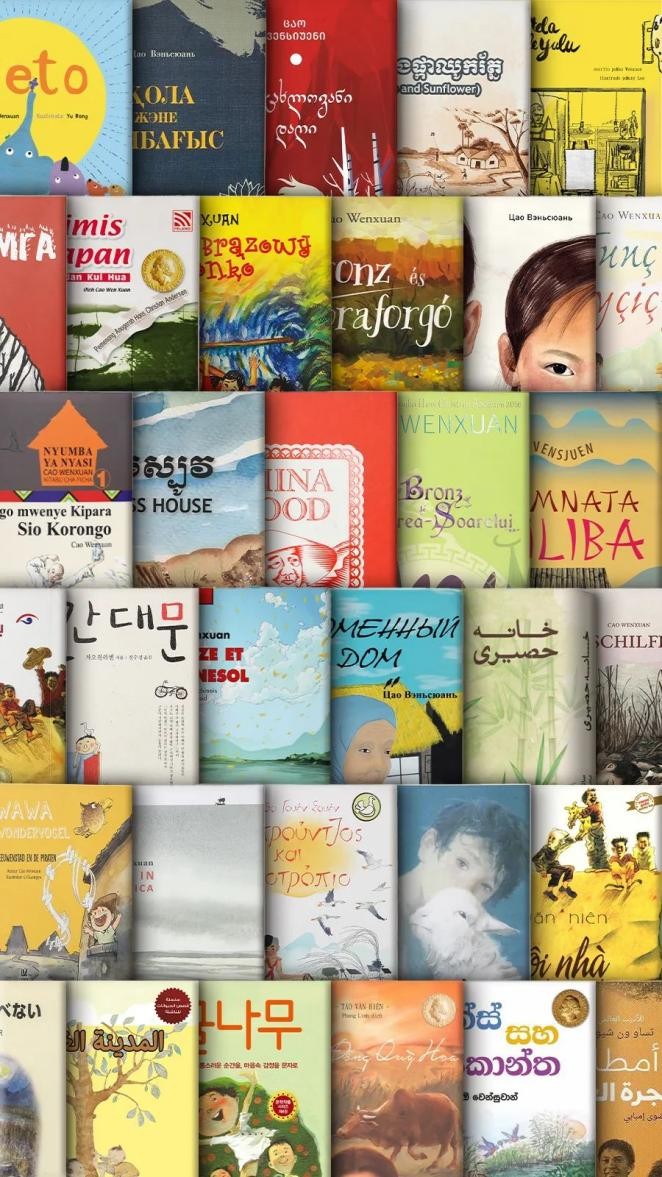
Furthermore, Cao Wenxuan's works have been translated
into over 40 languages including English, French, German, Russian,
Greek, Japanese, Korean, Swedish, Danish,
Spanish,Portuguese,Italian,Romanian,Serbian,Arabic and Persian with a
total of more than 220 volumes.
This has contributed to the
dissemination of Chinese aesthetic values in world literature. He has
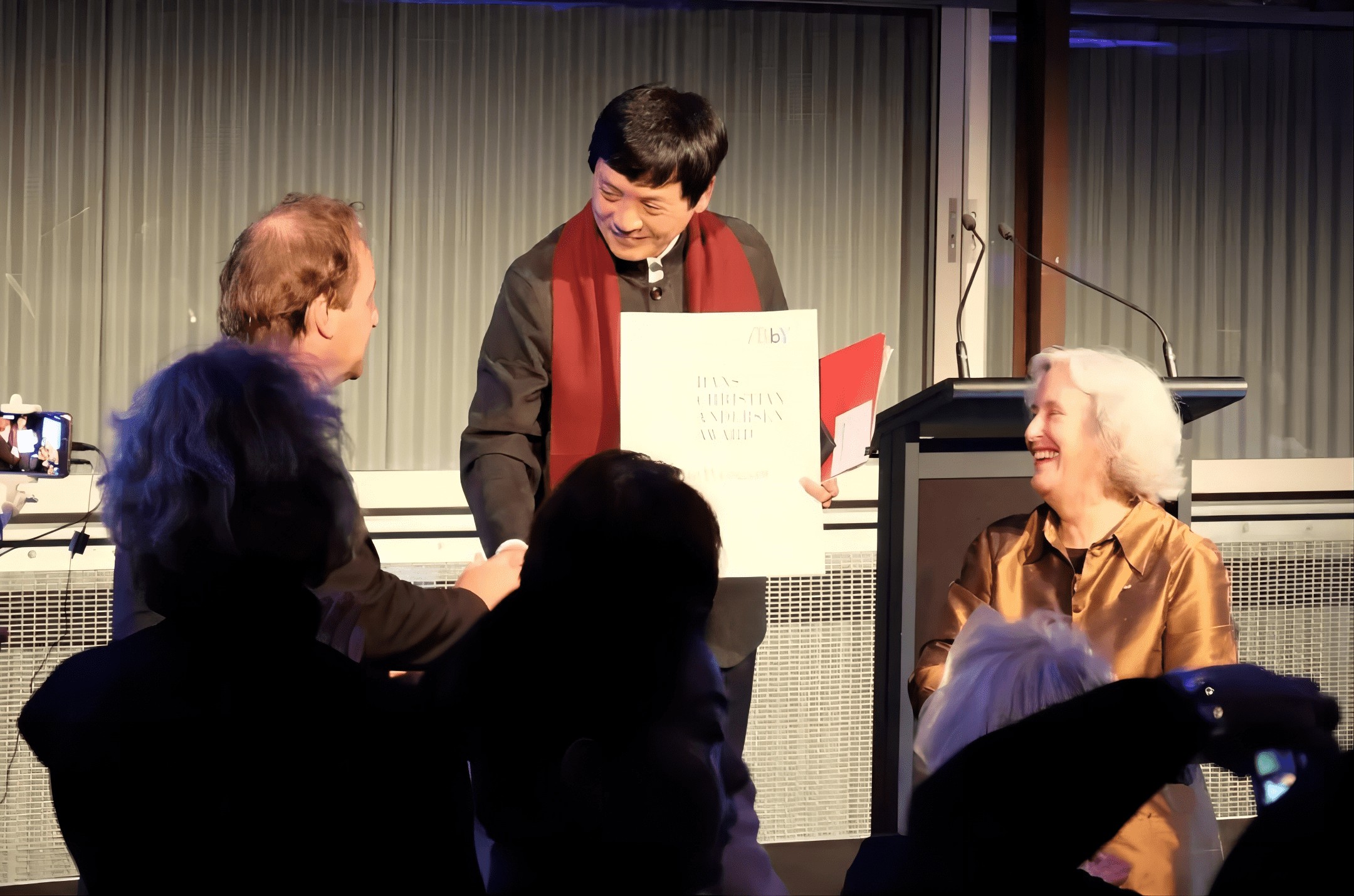
received over 30 international literary awards and honors such as the
Hans Christian Andersen Award,the Swedish Peter Pan Award,the
International Award for Outstanding Children's Books,andthe British PEN
Pinter Award.
The jury for the Hans Christian Andersen Prize remarked
on Cao Wenxuan's work: “His writing delves into the sorrowful yet
beautiful aspects of childhood life,serving as an inspiring example for
children facing challenging circumstances,hence earning admiration from a
wide rangeof young readers.”
Cao Wenxuan stated that his choice of
children's literature is not solely for writing for children, but is
deeply connected to his aesthetic preferences. "I have a strong yearning
for poetry and the human condition. Children's literature, with its
perspective on childhood, allows me to achieve my aspirations and
satisfy my aesthetic interests." By adopting the viewpoint of children
in his writing, he aims to convey innocence, kindness, and warmth in the
face of adversity, enabling children to comprehend genuine emotions and
appreciate the beauty of humanity through literature.